
Monitoring and evaluation for GBV risk mitigation focuses on: 1) monitoring known and unknown GBV risks relevant to the sector/intervention and 2) evaluating and/or assessing the outcomes and effectiveness of GBV risk mitigation strategies.
It is most likely that at least some barriers do exist, but were not captured prior to program implementation. Depending on the type of program/service you’re implementing, consider undertaking one or more of the following, with the aim of uncovering access barriers and/or populations that are being “missed,” and why:
During project planning as well as during program implementation, undertaking an Availability, Accessibility, Acceptability and Quality (“AAAQ”) assessment and analysis is another useful way to obtain information on GBV-related risks and barriers to access. AAAQ assessments are quick, do not require specialized skills or large numbers of enumerators, and can be done at any time (or, ideally, multiple times!) during program implementation. Information on the AAAQ categories is often best obtained through the use of KIIs.
Review your existing program activities and consider if any modifications are needed to reduce any of the noted barriers. For example, if you have information that women are reluctant to or barred from traveling without a male companion, review IF or HOW women are currently accessing your services, and any modifications that may be needed to ensure better or more consistent access - for example, female service providers, sex-segregated waiting rooms or distribution lines, etc.
Monitoring and evaluation for GBV risk mitigation focuses on: 1) monitoring known and unknown GBV risks relevant to the sector/intervention and 2) evaluating and/or assessing the outcomes and effectiveness of GBV risk mitigation strategies.
This information is critical to understanding any changes or course corrections we might need to make, as well as to documenting the outcomes and impact of VAWG risk mitigation activities, continuing to build the global evidence base for this work.
You might be thinking, “I’ve assessed the risks, I’ve analyzed the barriers, I’ve designed my program with VAWG risk mitigation in mind... aren’t we done?” Well, almost. M&E is how you check back in to see if your VAWG risk mitigation strategy is resulting in the intended outcomes. Integrating VAWG risk mitigation into monitoring and evaluation serves two critical purposes.
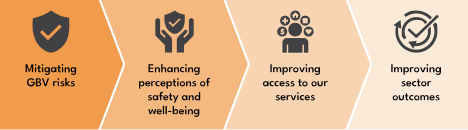
An effective M&E framework for VAWG risk mitigation focuses on understanding the degree to which your programming is: 1) mitigating VAWG risks, 2) enhancing perceptions of safety and well-being, 3) improving access to services, 4), improving sector outcomes. You can measure one or more of these four categories by adapting the suggested methodology below for your context.
In cases where direct measurement poses risks, use indirect measures, i.e. proxy indicators, that serve as stand-ins for information too difficult or unsafe to gather directly.
Example proxy indicators are included in the sample indicator guides linked below.
TIP: Each sector-specific GBV Guidelines Thematic Area Guide (TAG) includes a monitoring and evaluation section with indicators that can help track results, chart outcomes, and measure progress while considering diverse perspectives. You can adapt these indicators to your program/context where needed.
CAUTION: Direct monitoring and data collection about GBV incidents can pose serious risks to program participants and enumerators and is not necessary for GBV risk mitigation. Specifically, collecting data on GBV incidents can pose risks including:
In addition, it’s important to understand that GBV incidents are typically underreported, making incident data unreliable for programming decisions. Instead, focus on monitoring GBV risks and evaluating the GBV risk mitigation strategies that you’ve put in place.

It can inadvertently pose risks of stigma and reprisal to affected populations and/or enumerators.
Underreporting of GBV incidents is chronic due to a number of factors resulting in prevalence data that is of poor quality and not comprehensive.
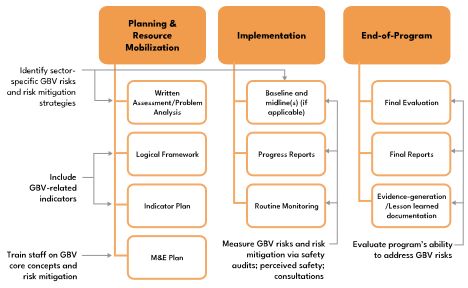
There are multiple entry points for GBV risk mitigation monitoring and evaluation across the humanitarian program cycle. The graphic below presents a number of common entry points from planning and resource mobilization, throughout implementation, and at the end of the program. Throughout the program cycle, it is important to ensure that project monitoring plans regularly identify sector-specific GBV risks and monitor GBV risk mitigation strategies.
Monitor:
By integrating GBV risk mitigation into your M&E framework, you can ensure that your programming remains safe, accessible, and accountable to affected populations throughout the program cycle.
You've reached the end of this Toolkit. If you have any questions or need additional information, please contact Erin Patrick (erin.patrick@care.org) or Dina Hanania (dina.hanania@care.org)
Designing interventions to mitigate risks of VAWG and reduce the barriers to access faced by women, girls and other vulnerable groups is just good programming. Ensuring that our programs are safe and accessible to all, including and especially the most vulnerable or marginalized within a community, is not “additional” work—rather, ensuring that actions to mitigate the risk of VAWG are integrated into every sector’s programs should result not only in safer programming overall, but also in better sector-specific outcomes.
Understanding the risks that different groups within an affected population may be facing allows for the design of programming to better and more safely meet their needs.
There is no one size fits all approach to designing programming that mitigates risks of VAWG. Rather, successful implementation activities need to be determined by the context. Strategies to mitigate risks of VAWG provide a framework to identify where risk mitigation actions should be implemented based on context.
ALL sectors must work to mitigate the risks associated with their programs to ensure that women, girls, and other vulnerable groups can safely access and use them.
There are multiple entry points for understanding where and how GBV risk mitigation strategies/actions can be implemented in humanitarian action.
GBV risks can occur across all levels of intervention [societal/institutional, community, and individual/service delivery] and therefore there are opportunities at each of these levels to engage in GBV risk mitigation.
Please click on the boxes to see example strategies that can be incorporated.
The diagram below indicates areas where GBV risks are commonly found and the general types of interventions that can help mitigate those risks. To ensure that interventions are as effective as possible in the context in which they are to be implemented, it is critical to include GBV risk related questions in every sector’s assessments.
Click on a circle to view a corresponding programmatic intervention.
For additional guidance on general good practice for VAWG risk mitigation interventions, save this tipsheet.
Based on your analysis, you may need to make course corrections to ensure your programming is as safe and accessible as possible. The “How-to Guide” below provides a helpful roadmap for course corrections.
For guidance on common sector specific VAWG risk mitigation interventions, please click on your sector tool below.
Additional information can be found in the Thematic Area Guides (TAGs) of the GBV Guidelines, linked from the icons below.


Analysis helps us determine who to target—with which types of programming—based on the risks they face.
Analyzing the data and information collected during assessments is critical for identifying and understanding GBV-related risks and/or barriers to access, and which population(s) are most affected.
Analysis forms the cornerstone of proposals and project design. The results of analysis should be used to determine what actions, activities, and/or strategies need to be put in place to address each of the risks identified during assessments and to improve sector-specific outcomes.
Analysis starts with the same basic questions that should be asked while reviewing the data/information gathered from various forms of assessment.
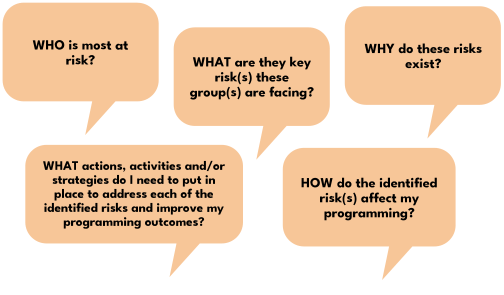
To help organize the information in your analysis, you can use this basic, fillable GBV risk analysis form:
The common thread of analysis throughout the program cycle can help keep the risks and needs of specific vulnerable populations that were identified during the assessment phase front and center in proposal writing and program design and implementation.
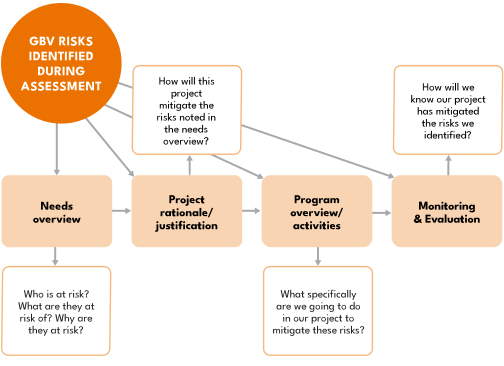
It can still be helpful to take a fresh look at your existing assessment data to help understand potential safety concerns and/or barriers to access.
NEW information on women, girls and other vulnerable groups’ perceptions of safety in accessing and using your program, good or service - as well as any barriers they face - can be investigated at any point during program implementation, by adding relevant questions into any planned midline survey, for example. This is especially important as risks and barriers can also change over time (i.e. barriers/risks at the beginning of program implementation may lessen and be replaced by new or additional barriers/risks, etc.)
If no midline survey is planned or budgeted for, a small but representative set of consultations, using any of a variety of tools, can still provide valuable new information to inform any necessary course corrections.
If you’re at the very beginning of your programming, you can consider doing one or more of the following:
The purpose of any/all of these actions would be to determine the baseline (or near baseline) status of safety perceptions and access, in order to:
Take a fresh look at your initial assessment data, and/or consider existing sources of secondary data, such as CARE’s Gender in Briefs and/or RGA reports, GBV trends analyses from the GBV sub cluster or protection cluster, GIHA reports, and/or population information from government line ministries (i.e.: ministries of health, of women & children, etc.). Use this information to consider the following barriers/concerns:
Using a VAWG lens to review the above data sources, can you now determine whether or not women, girls or other vulnerable groups might be facing barriers to accessing your programming?
Is there any data or information from any of the above-noted sources that suggests women, girls or other vulnerable groups have concerns re: any of the AAAQ categories? [availability, acceptability, accessibility (physical, financial, administrative, social or informational) and quality]
Using a VAWG lens to review the above data sources, can you now determine whether or not women, girls or other vulnerable groups might have safety concerns associated with access to or use of your programming?
Is there any data or information from the above-noted sources where women, girls or other vulnerable groups reported concerns regarding their safety or well being related to access and/or use of humanitarian assistance?
Assessments tell us if women, girls, and other vulnerable groups feel safe accessing and using our services and if they don’t, why not.
WHY we need to assess GBV risks in programming
Understanding WHO is at risk of GBV and WHY they are at risk (or what makes them especially vulnerable to a risk) is critical to being able to understand how to design and implement programming that can MITIGATE those risks.
All sectors should develop and integrate methodologies for assessing GBV risks associated with and/or which could be mitigated by their programming, from the very outset of a response. All sectors, including non-GBV specialized sectors, can and should integrate a GBV lens into their own assessments. Such an assessment does NOT look at GBV incidents or prevalence, but rather helps us to understand if/how the most vulnerable or marginalized participants are able to safely access, use and/or participate in the sector’s services.
Conducting sector-specific assessments that include questions aimed at identifying GBV risks can make programming safer and more accessible.
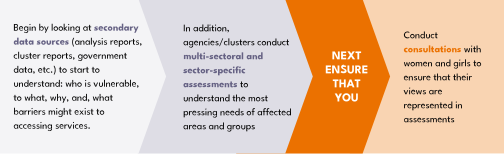
HOW TO INTEGRATE GBV RISK IDENTIFICATION INTO ASSESSMENTS
There are a range of simple tools & methodologies for assessing GBV risks in sector programming:
Consultations with women and girls:
Before undertaking any of the consultation methodologies below, it is highly recommended that you complete a basic training on how to respond safely and appropriately to a GBV disclosure (the GBV Pocket Guide) through this link. The main objective of this training is to ensure that all humanitarian staff, even those who are not formally-trained VAWG specialists, have the basic knowledge and skills to be able to respond safely and appropriately should they ever receive a disclosure of violence.
Please also ensure you have read the Tipsheet on asking safety-related questions.
Consultations can take multiple modalities.
Key consultation modalities for understanding GBV-related risks and barriers to access include:
Non-GBV specialized sectors do not need to undertake separate or standalone GBV risk related assessments. Rather, these sectors should
Review any existing secondary data related to GBV risks (ie, analysis reports from the GBV sub cluster, Protection cluster, government data from for example Ministries of Health, GenderWomen/Families, etc.)
Incorporate relevant GBV-risk related questions into existing sector-specific assessments, multi-sectoral needs assessments (like the JIAF), household surveys, and/or project-level baseline surveys.
Incorporating GBV risk related questions into existing assessments and surveys can be done at ANY time that other, sector-specific or mulit-sector needs assessments, baseline or household surveys are being done. This is typically, but not ONLY:
During project planning as well as during program implementation, undertaking an Availability, Accessibility, Acceptability and Quality (“AAAQ”) assessment and analysis is another useful way to obtain information on GBV-related risks and barriers to access. AAAQ assessments are quick, do not require specialized skills or large numbers of enumerators, and can be done at any time (or, ideally, multiple times!) during program implementation. Information on the AAAQ categories is often best obtained through the use of KIIs.
Safety audits are used to collect observations related to women and girls’ safety and security in a camp, settlement or community, to help build an understanding of the risks of VAWG and barriers to access. They can be sector-specific or multi-sectoral, and can be done quickly, without significant cost, and in locations/environments where asking questions about GBV risks is not advised.
FGDs are facilitator-guided discussions of small groups of people, typically community members or program participants. They allow the gathering of in-depth information on the participants’ perceptions or experiences with a particular topic/range of topics. For GBV, FGDs are particularly helpful as the sensitive topic can be introduced and talked about in non-direct ways and in a safe environment. They can be done at any point during program design and implementation and without significant cost.
A key informant interview (KII) is often done with a structured or semi-structured questionnaire, and can provide quantitative and qualitative data. KIIs can be done with experts (e.g. humanitarian staff), members of the community (e.g. community leaders) or in a more targeted manner for program evaluation (e.g. a key informant interview with a service user). They are an excellent way to obtain information on barriers to access.
If you’ve landed here, it means you’re looking for recommendations on how to integrate VAWG/GBV risk mitigation into your funding proposals. This could be a WASH proposal, a food security proposal, CVA, multisectoral … ALL sectors have a responsibility to ensure that they’re doing everything they can to first identify and then take action to mitigate GBV risks in their programming.
The first step to being able to integrate GBV risk mitigation into programming is to ensure it’s included at proposal design stage.
This mini-course helps you learn how to do just that. You can access the course through this link.
In just under one hour, this course will guide you through all the fundamentals for learning how, why, where and when to integrate VAWG/GBV risk mitigation into funding proposals, provide examples, review different donors’ requirements related to GBV risk mitigation, and provide helpful tips on budgeting.
And since this is a Toolkit, the core tool for integrating VAWG/GBV risk mitigation into proposals is here (also linked within the course):

Have you ever thought – “I’d love to be able to reduce the risks of violence against women & girls (VAWG) in the activities or the programs that I work on for CARE, but I just don’t know how?”
Have you noticed barriers that some program participants have in accessing CARE’s services, but you’re just not quite sure what to do about it?
Or have you been asked – maybe by a donor? – to report on how you’re improving women and girls' safety and well being, but you don’t know how to track this sort of thing?
Then this toolkit is for you!
The purpose of the toolkit is to walk users step by step through HOW to mitigate risks of violence – particularly the risks faced by especially vulnerable populations, such as women & girls - reduce the barriers to access they face, and ultimately improve the safety and well being of CARE’s program participants, across ALL our technical sectors.
All technical/program staff, especially those working in non-VAWG specialized sectors (so… WASH, Food, Nutrition, Health, Education… this is for you!)
CARE’s Women & Girls in Emergencies Team, which also happens to host the inter-agency IASC GBV Guidelines coordination team. This toolkit draws on both CARE and the GBV Guidelines team’s experiences and learning on integrating the mitigation of VAWG risks across the humanitarian program cycle, over the past decade.
For questions, please contact Erin Patrick, Director of VAWGiE (erin.patrick@care.org) or Dina Hanania, VAWGiE Advisor (dina.hanania@care.org)
There are a few things that users of this toolkit should do before you really dig in to safe programming work:
Once you’ve checked off these 3 boxes, you’re ready to get started.
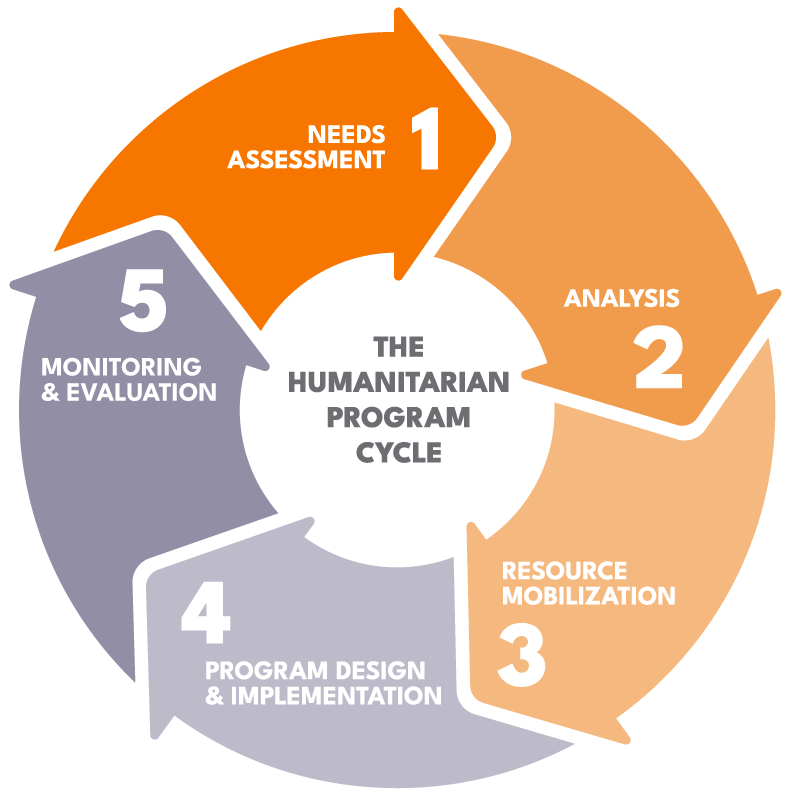
The goal of this toolkit is to walk you through simple, step-by-step actions that you can take to make your programming safer, and link you directly to the tools and resources that you need to do so.
The toolkit starts with a quick decision tree, and is organized according to the humanitarian program cycle - so you can jump in regardless of where your programming is currently in the cycle, or even if you haven’t started your program yet.
AI Quick Reference Spotlight: Need Help Finding What You're Looking For?
Need to find specific guidance quickly? We've created an AI-powered NotebookLM assistant that searches across the entire toolkit to answer your questions on VAWG risk mitigation with cited responses from the toolkit.
Remember: This tool is for quick reference only and should supplement, not replace, reading the full toolkit. Always verify responses and consult GBV specialists for complex questions.
This site is always being updated, so please check back often for new additions, tools, and resources!
Copyright © 2026 • GBV Guidelines